

Operational continuity
Preserve the logic and service levels the business depends on
Identify critical transactions, batch windows, dependencies, and recovery requirements before introducing changes around the system of record.
Your core platforms carry transaction logic and records that should not be treated like ordinary applications. GrandView assesses each workload, selects the right modernization path, and introduces modern access with controlled operational impact.
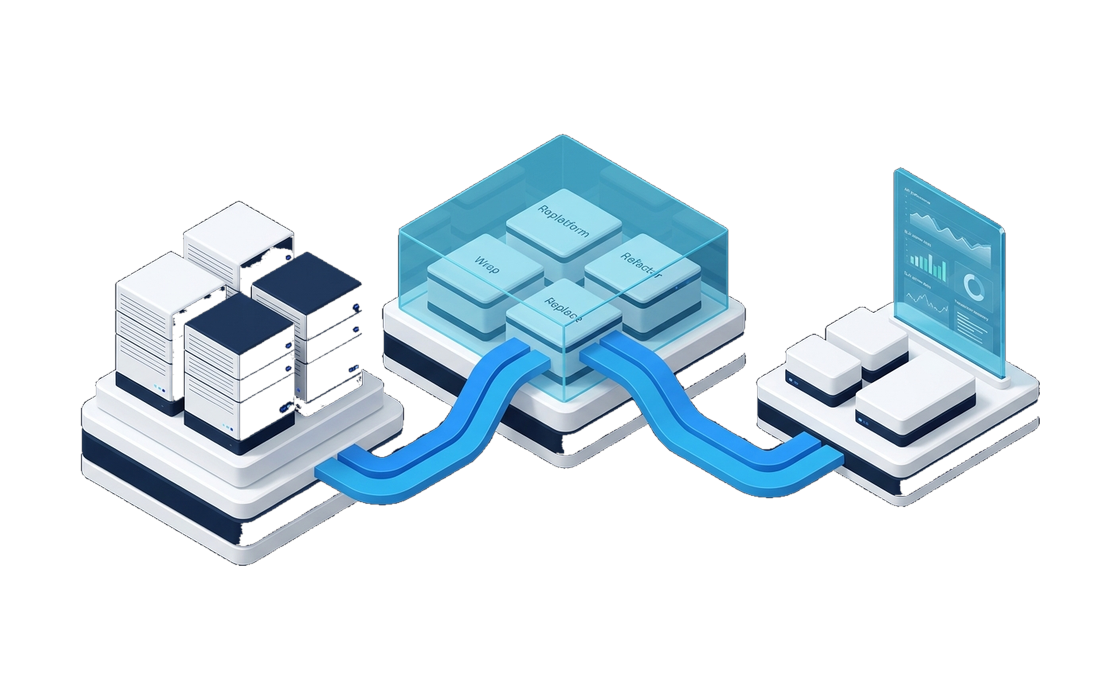
The right path depends on each workload's business value, technical condition, operational constraints, and concentration of system knowledge.
Identify critical transactions, batch windows, dependencies, and recovery requirements before introducing changes around the system of record.
Evaluate each application against business value, technical condition, skills risk, and operational constraints instead of applying one strategy to the entire estate.
Document ownership, interfaces, business rules, and operational dependencies so modernization does not rely on knowledge held by one person or team.
The result is not a risky, multi-year core replacement. It is incremental, high-impact modernization that protects stability while delivering modern digital speed.
Discuss your core architecture priorities →The challenge is not simply connecting new tools. It is deciding what to change while protecting critical operations and institutional knowledge.
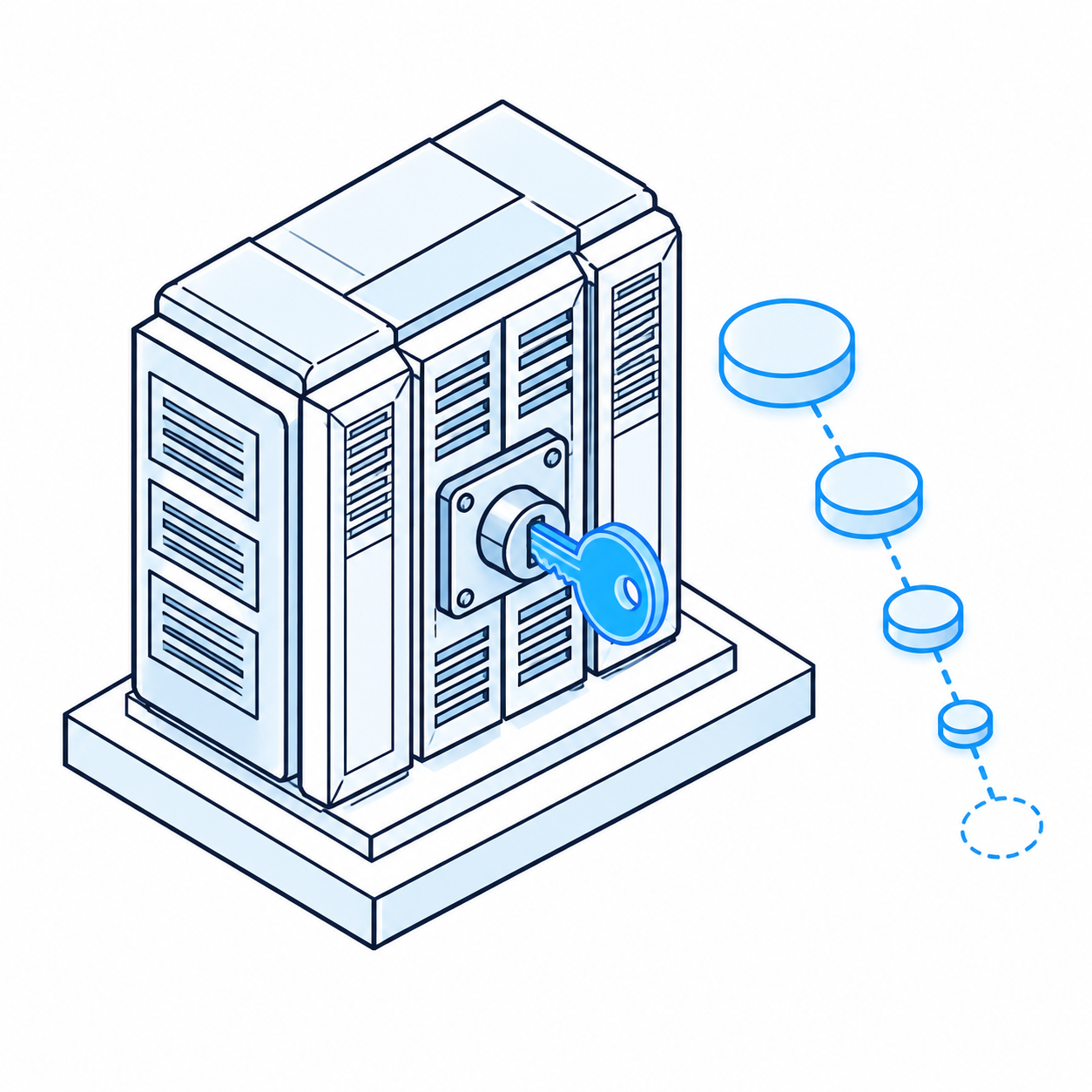
Core logic often depends on specialists approaching retirement or supporting poorly documented code. Each departure increases maintenance and change risk.
Document application ownership, interfaces, and business rules systematically, ensuring critical knowledge is institutionalized before modernization begins.
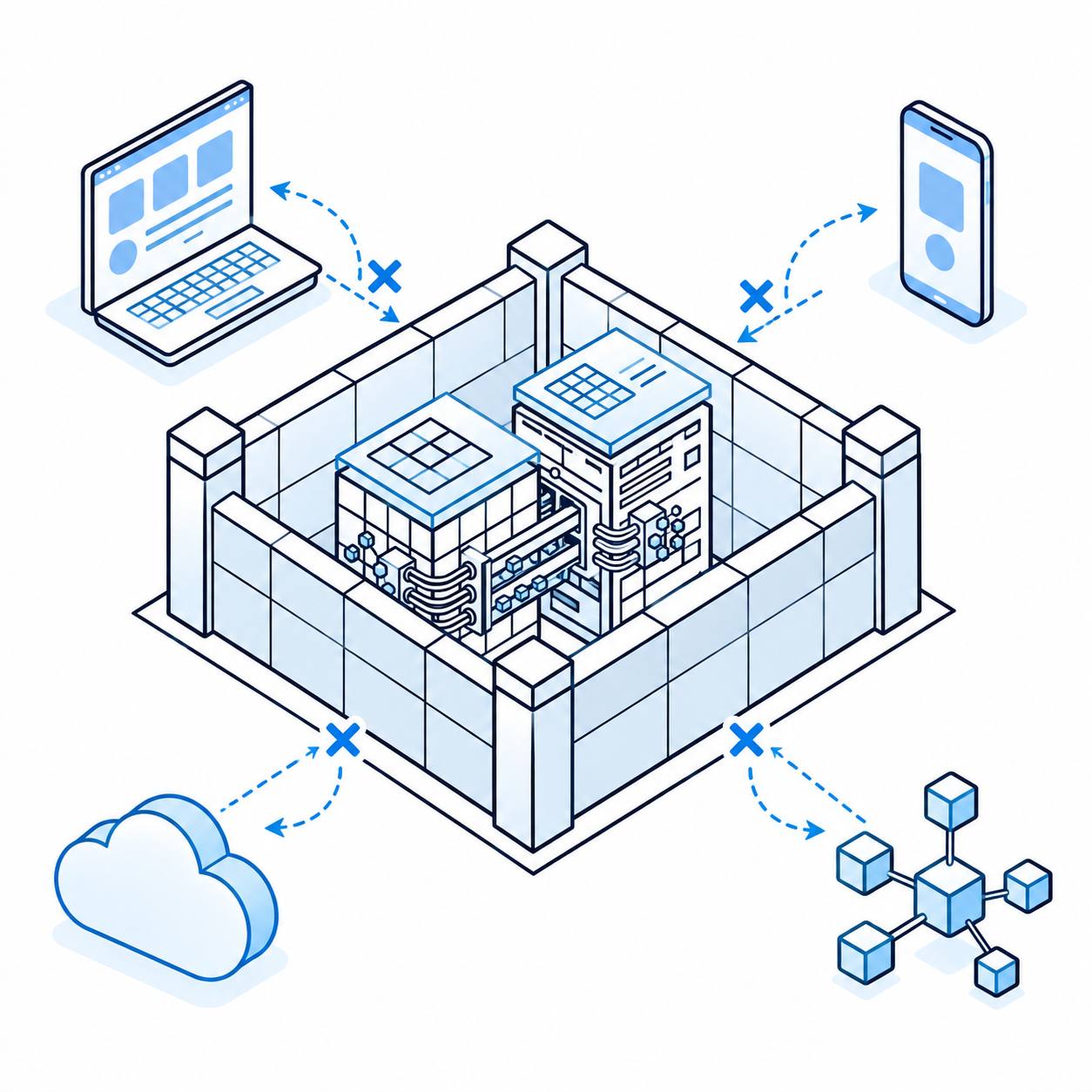
The transaction engine remains dependable, but new channels need APIs, events, and simpler interfaces without duplicating business rules outside the system of record.
Deploy bounded API wrappers and event-driven data streaming that expose core functionality without modifying delicate legacy code.
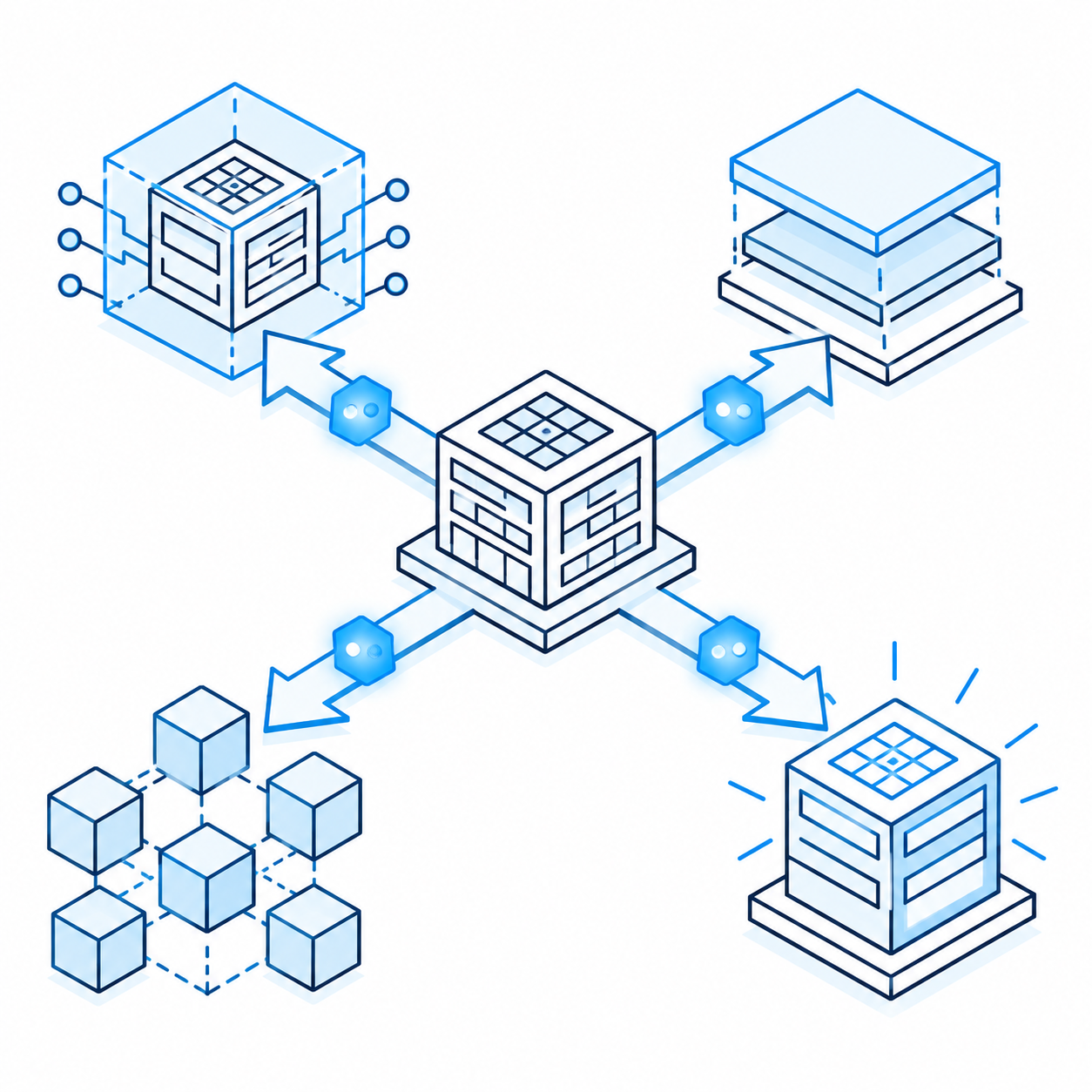
Without an application-level assessment, modernization becomes a platform debate instead of an evidence-based decision about value, risk, and effort.
Evaluate each workload independently against technical health, business value, and operational risk to build a defensible, multi-path roadmap.
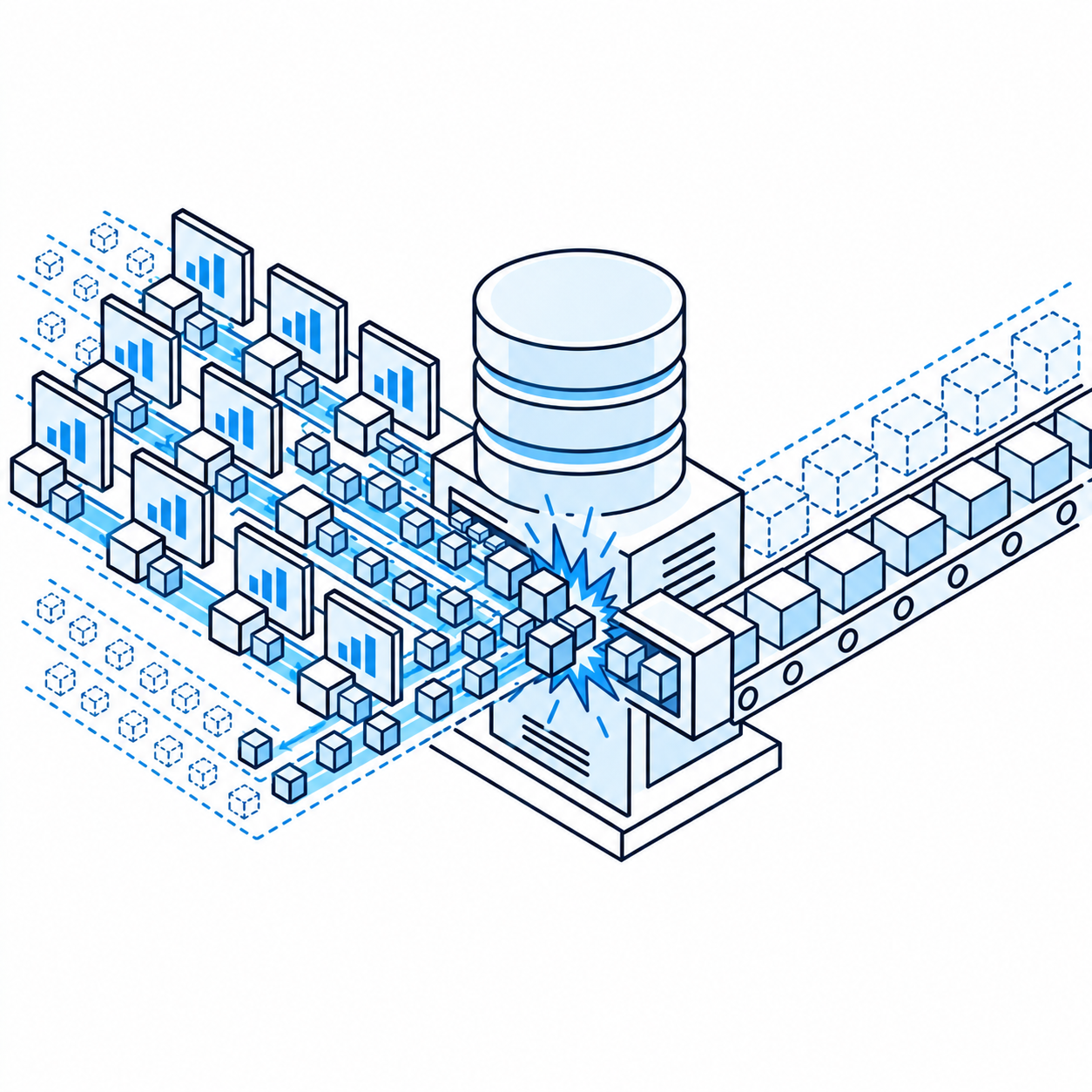
Uncontrolled queries, replication, and API traffic can affect batch windows or response times when capacity thresholds and workload isolation are not defined.
Implement intelligent traffic gating, CDC offloading, and workload isolation to shield production transactions from ad-hoc operational demands.
A controlled, step-by-step transition
Baseline critical logic and service levels Assign retain, wrap, replatform, refactor, or replace Modernize within strict operational guardrails
Because all-or-nothing migrations, skills loss, and performance degradation compound quickly, GrandView proves workload feasibility before touching production systems.
| Operating Dimension | One Strategy for the Entire Estate | Workload-by-Workload Modernization |
|---|---|---|
| 01 Decision Model | Platform decision applied broadly across every system regardless of unique logic, dependencies, or cost return. | Workload disposition based on measured business value, technical condition, operational constraints, and skills risk. |
| 02 Critical Logic | Recreated as part of risky, multi-year platform migration where decades of edge-case business rules get overlooked. | Retained and protected in the system of record, or changed only where business need justifies development effort. |
| 03 Service Levels | Evaluated late during user testing or cutover delivery, discovering batch window overruns and latency bottlenecks after launch. | Transaction baselines, batch windows, and recovery SLAs documented and enforced before architectural decisions are locked. |
| 04 Knowledge Risk | Hidden dependencies and missing documentation discovered mid-implementation when senior specialists leave or retire. | System ownership, business interfaces, and operational dependencies systematically mapped and institutionalized up front. |
| 05 Modern Access | Delayed until total platform migration completes, forcing business units to build disconnected manual spreadsheets and shadow tools. | Bounded REST APIs, CDC data streaming, and Kafka events introduced rapidly around stable core engines. |
| 06 Operational Control | Performance checked reactively after rollout when runaway API calls and analytical queries start degrading primary database cores. | Load thresholds, traffic gating, workload isolation, and end-to-end observability architected into every release. |
A shared disposition model aligns investment, architecture, operational protection, and business priorities before delivery begins.
Prioritize modernization investment with a defensible roadmap
Estate-wide replacement mandates treat every system as an urgent migration, creating immense delivery risk, multi-year delays, and budget inflation without clear business return.
Separate workloads that should remain stable from those where change creates enough value to justify cost and operational risk, backing every modernization dollar with evidence.
Protect service levels, batch windows, and recovery commitments
New digital initiatives and ad-hoc data extractions compete directly with core batch cycles and transaction processing without capacity guardrails or workload isolation.
Define capacity limits, workload isolation, observability, and rollback requirements before new access patterns and integrations reach production.
Assign the right modernization path to each workload
Modernization stalls in endless platform debates and one-size-fits-all roadmaps that fail to account for complex dependencies and key-person risk.
Use shared, defensible criteria to choose retain, wrap, replatform, refactor, or replace for each workload instead of applying one platform decision broadly.
Modernize interfaces without duplicating core business logic
Front-end teams build workarounds and duplicate business rules outside the core, creating data divergence, sync errors, and compliance exposures.
Improve employee and customer digital experiences through modern APIs and event feeds while keeping authoritative transactions in the system of record.
The assessment establishes an agreed modernization baseline across leadership. Implementation follows a phased sequence without disrupting core operations.
Explore the modernization assessment ↓We establish what must remain stable, select the right path for each workload, and introduce change within defined operational guardrails.
Document applications, interfaces, owners, transaction boundaries, batch windows, recovery needs, and performance baselines before choosing a modernization path.
Accurate catalog of RPG, COBOL, Db2, and CICS components with key-person dependencies mapped and protected.
Evaluate each workload against business value, technical condition, skills risk, change frequency, and operational constraints instead of applying one platform decision broadly.
A clear, defensible business case separating what stays stable on IBM i/z/OS from what extends to hybrid cloud.
Use APIs, CDC, event streams, or modern interfaces where justified, with load thresholds, observability, staged rollout, and rollback planning.
Real-time digital access via Red Hat OpenShift and IBM MQ while shielding core databases from uncontrolled queries.
You receive an application inventory, a defensible workload disposition matrix, and a production-grade target architecture with defined operational guardrails.
 CORE MODERNIZATION ADVISORY
An inventory of critical applications, business rules, dependencies, owners, service levels, and performance constraints across IBM i and z/OS platforms.
CORE MODERNIZATION ADVISORY
| CORE WORKLOAD | CURRENT CONDITION | ASSIGNED DISPOSITION | SLA & RISK IMPACT |
|---|---|---|---|
| Core Policy Rating Engine z/OS CICS • COBOL | Proven Core Logic High transaction volume | RETAIN & WRAP (APIs) | Zero Core Risk ✓ |
| Overnight Settlement Batch IBM i • RPG IV / Db2 | Batch Window Strain High CPW utilization | REPLATFORM (SQL/CDC) | Batch Reclaimed ✓ |
| Customer Inquiry Channel Direct Screen Scraping | High Key-Person Risk Brittle client terminal access | WRAP (REST & Events) | Digital Speed ✓ |
A workload-level decision to retain, wrap, replatform, refactor, or replace, backed by risk scoring, dependency mapping, and business return.
CORE MODERNIZATION ADVISORY
A target design covering APIs, data movement, events, interfaces, workload protection, observability, and rollout controls.
From assessment to controlled core modernizationWork with GrandView to turn legacy platform debates into an evidence-based, low-risk modernization roadmap.
Schedule your architecture reviewWe establish the operational baseline, select workload dispositions, validate one bounded change, and expand approved patterns.
Inventory critical workloads, dependencies, owners, business rules, service levels, batch windows, and performance constraints across IBM i and z/OS platforms.
Select retain, wrap, replatform, refactor, or replace for each workload, define the target architecture, and establish capacity thresholds and rollback requirements.
Implement one contained use case and evaluate functionality, core load, security, recovery, and operational impact within strictly observed guardrails.
Expand approved patterns with monitoring, capacity thresholds, release controls, documentation, and team enablement across your hybrid infrastructure.
Bring your application inventory, service-level constraints, skills risks, or modernization backlog to a focused architecture discussion.
SCHEDULE AN ARCHITECTURE REVIEW
 IBM i & z/OS Core Modernization