

IBM Bob
Prepare the change
AS-IS, evidence, recommendations, TO-BE and action items, reviewed by your team.
Your BAW processes already carry the cases, rules, roles, SLAs and audit trail your business depends on. We help you add AI reasoning only where it is justified, with IBM Bob preparing the change, watsonx Orchestrate handling bounded interpretive work, and BAW staying in control of every case.
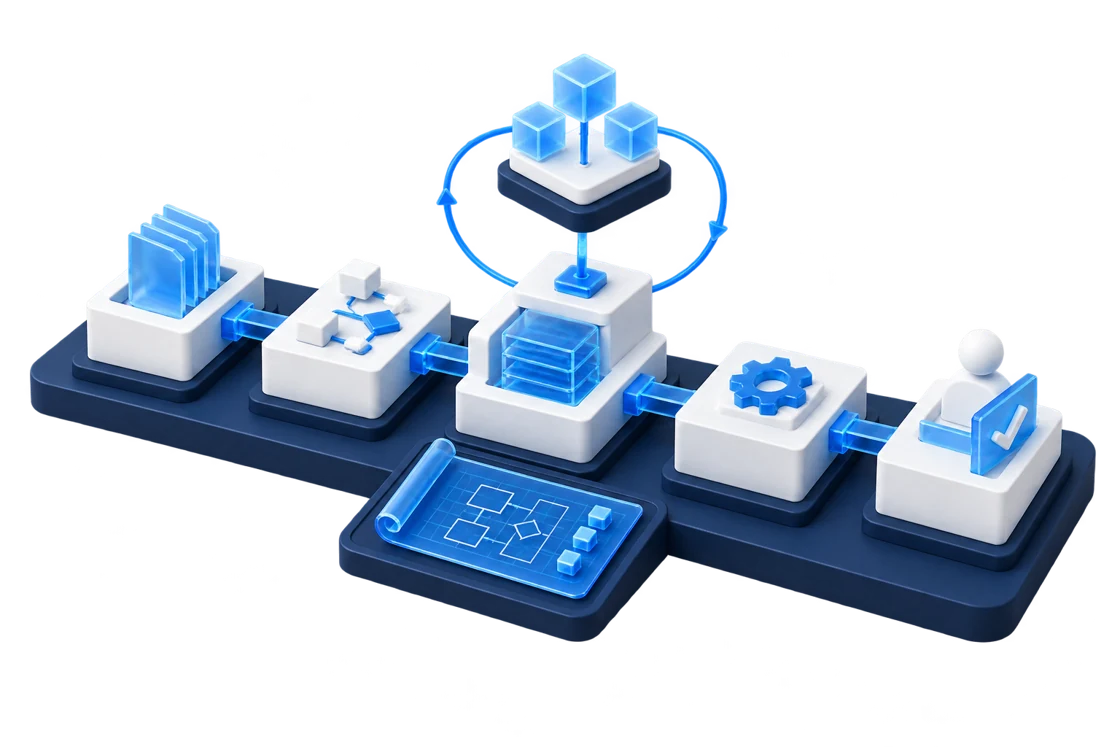
You should not have to piece this approach together from separate product pages. Each part has one job, and the case never leaves BAW’s control.
AS-IS, evidence, recommendations, TO-BE and action items, reviewed by your team.
Process, business rules, roles, SLAs, approvals and audit stay where they are.
Selected tasks return a structured result BAW can act on.
Your people approve the scope of change and keep the decisions that require judgment and accountability.
Discuss your BAW estate →Most BAW estates are not failing. They are working, critical and hard to change. That is exactly why modernization stalls.
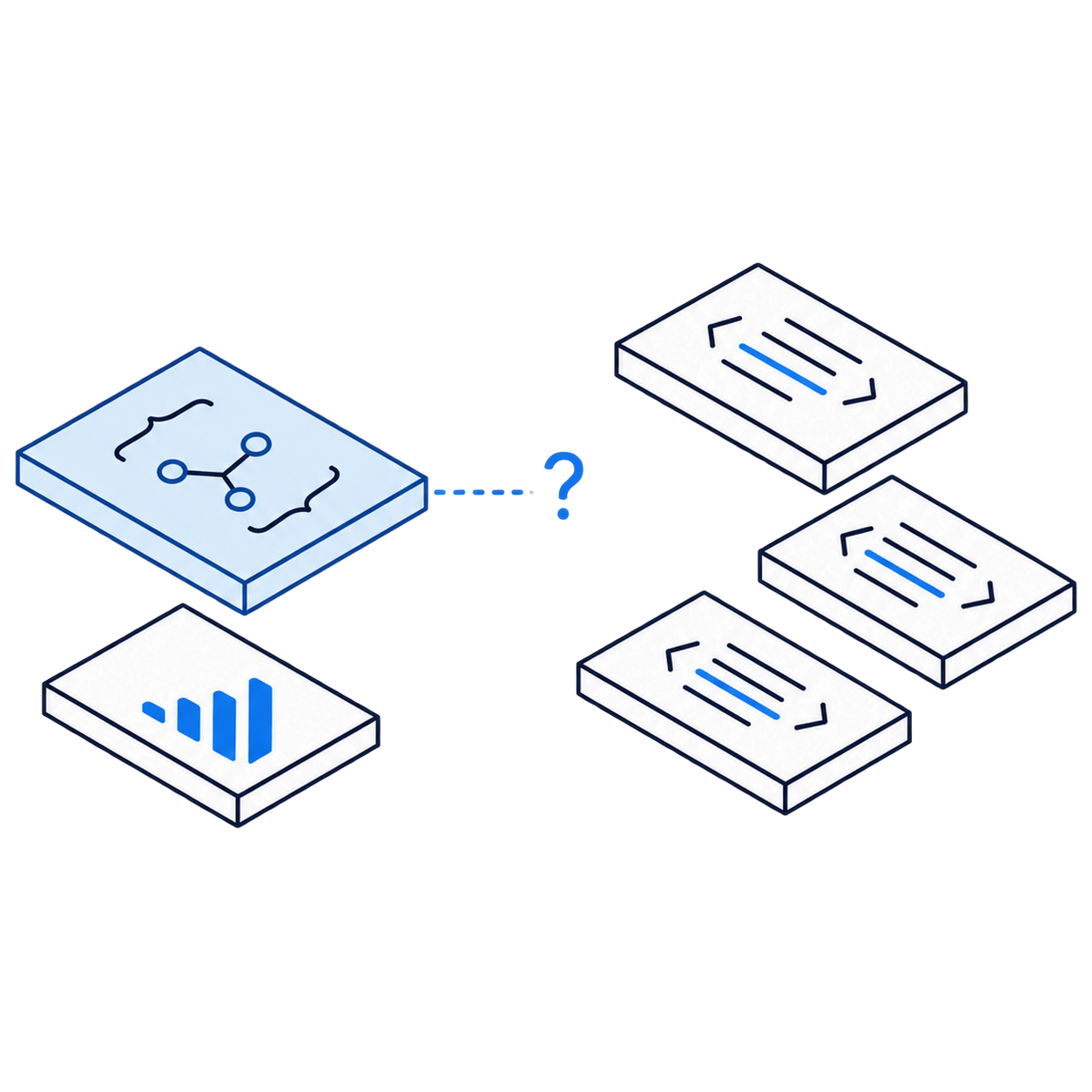
The pressure to add agents lands on processes that handle claims, applications and approvals every day. Starting over is not an option, and bolting AI onto a live workflow without control is not one either.
Add AI only at the steps where it is justified, and keep the process you already run.
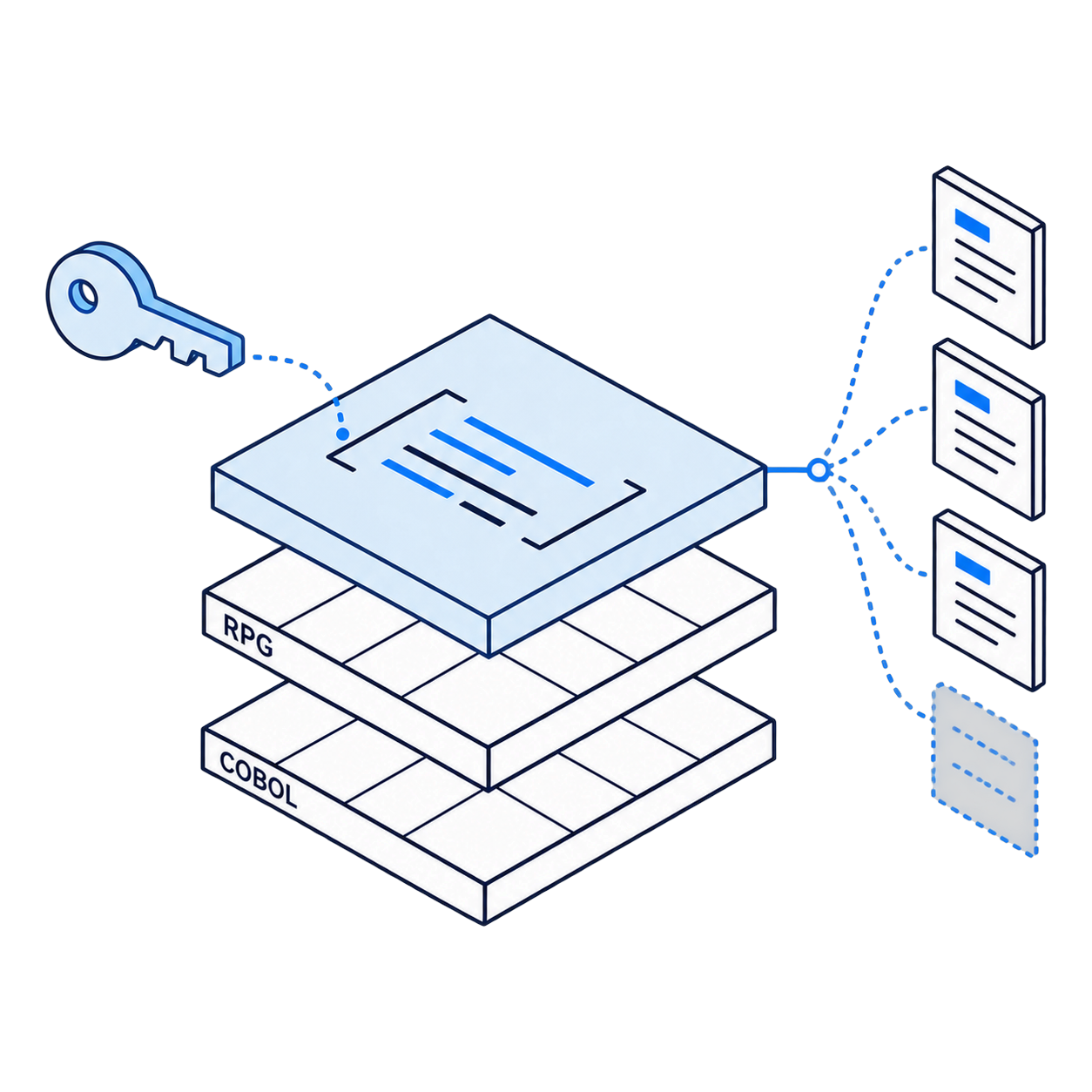
Logic built up over years sits in BPMN, toolkits, scripts and services. Documentation is out of date and knowledge sits with a few people, so every change starts with archaeology.
Reconstruct the AS-IS logic from evidence before anything changes.
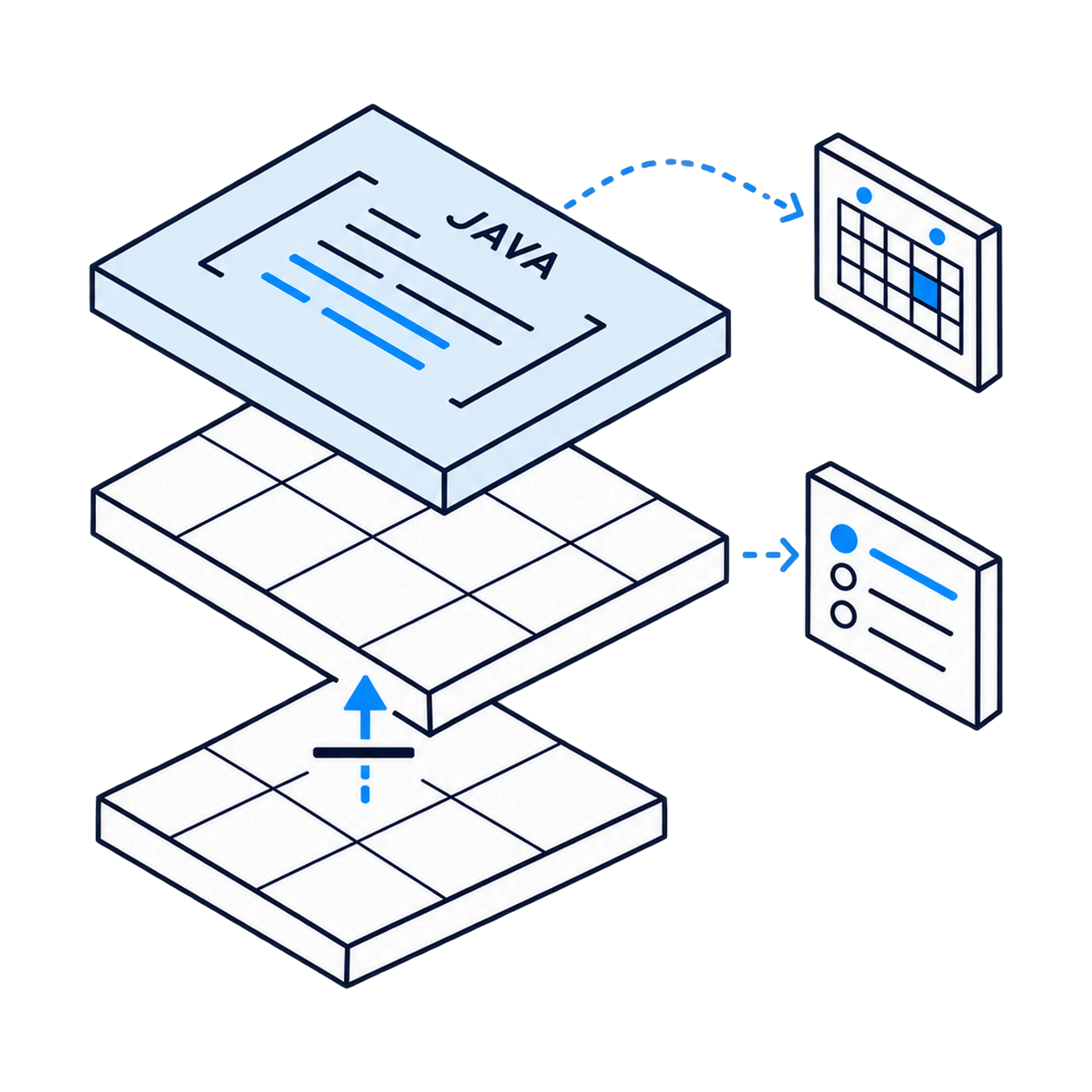
Upgrades to BAW 24 and beyond keep losing to feature requests. Outdated Java and JavaScript, known defects and point-to-point services make each release riskier than it should be.
See what each change affects, then upgrade and refactor in small, reviewable steps.
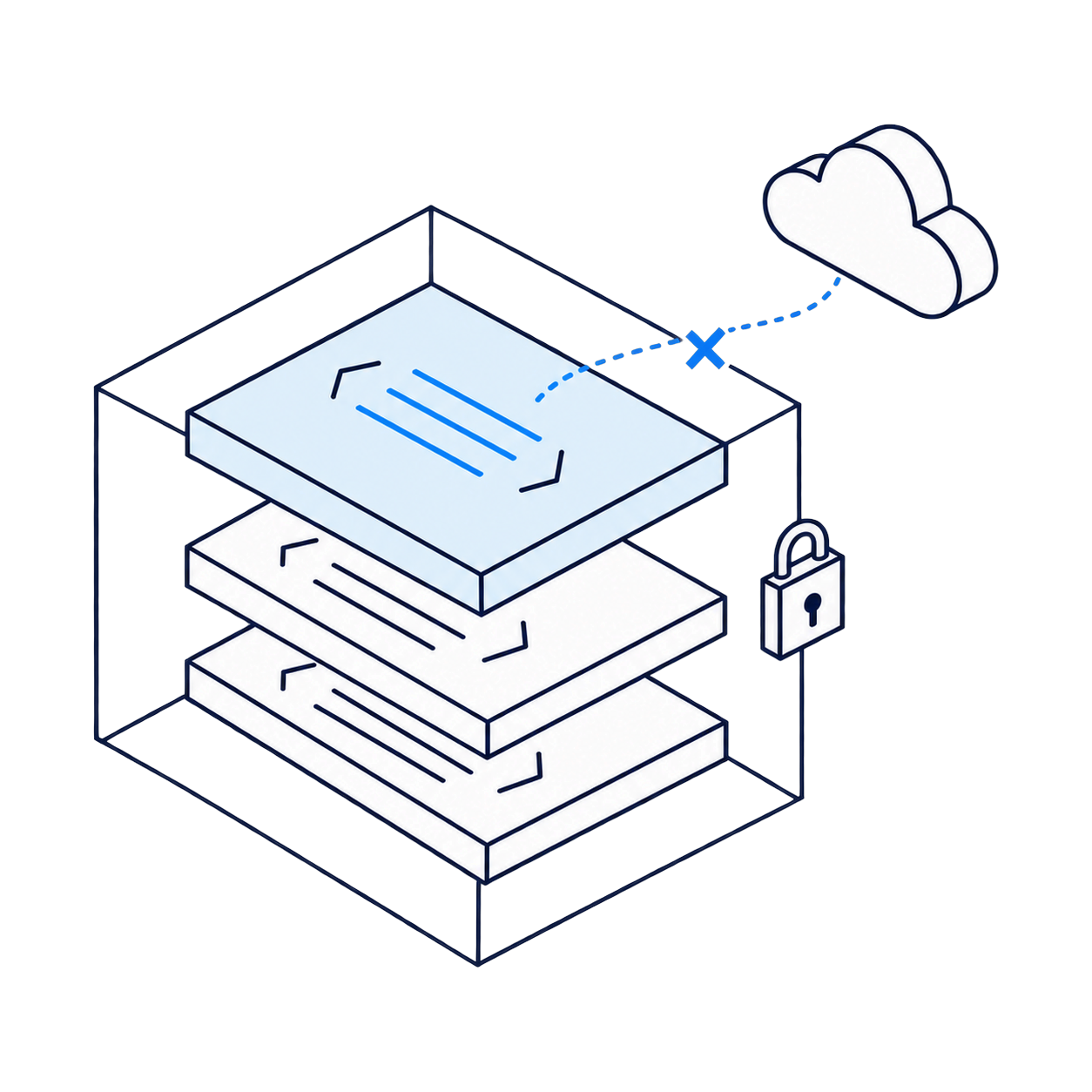
In regulated industries the questions come before the pilot: what data leaves the premises, who is accountable for the outcome and what goes into the audit trail.
Give every agent task an explicit contract your security team can review.
GrandView assesses the process first and recommends the least complex change that solves the problem, including no agent at all.
A good modernization result is the simplest one that solves the problem. Every step we assess goes through the same ladder, and NO-GO is a valid outcome.
| Step | When it fits | What changes in BAW | Who stays accountable |
|---|---|---|---|
| 01Keep | The step exists for a reason the business still needs | Nothing. The logic is documented and the reason recorded | The current role owner |
| 02Simplify | Work is duplicated, outdated or waits without purpose | Steps are removed or merged in the BPMN | The process owner |
| 03Automate | The rule is known and deterministic: documents present, amount above threshold, SLA expired | A service, API or business rule replaces manual work | The process and rule owners |
| 04Assist | A person interprets evidence and would decide faster with a prepared summary | An AI task works beside the person. The role stays | The person who decides today |
| 05Agent Task | The work is interpretive and your policy allows the role to move | A watsonx Orchestrate skill behind a contract; BAW branches on the result | A named owner, approved explicitly |
Example scenario
An application process that already runs in BAW. Today, “Assess the case” is a human task: an assessor reads the file, checks it against policy and decides what happens next. It is the slowest step in the process.
| Question | Finding |
|---|---|
| Why does the step exist? | A person judges the application. |
| Can it be eliminated? | No. The judgment is the business. |
| Simplify | Check customer can become a service. |
| AI-enable | An AI task beside the assessor. The role stays. |
| Agent Task | Only if the profile allows the role to move. |
| Still human | Approve or return stays with a person. |
| NO-GO | Where the decision rule is unknown, no agent is introduced. |
How the step runs after modernization
BAW passes the application file, relevant policy references and the facts already verified to the AI task.
A watsonx Orchestrate skill reads the file and the policy, identifies missing facts, and recommends a disposition with the supporting evidence.
If the skill is not confident, it stops and says why. The assessor keeps the case.
A structured result returns to BAW: recommendation, evidence, confidence and open questions.
BAW routes the case to the assessor with the recommendation attached. The assessor accepts, changes or rejects it. Approval stays with a person, and the whole exchange is recorded in the case audit trail.
This example illustrates the approach. Steps, findings and scope are agreed for each process we assess.
A bounded AI skill removes the reading, searching and drafting around a decision. BAW keeps the workflow, the approvals and the audit trail. These are illustrative applications.
Assess claims evidence without losing the adjuster’s judgment
Adjusters read medical reports, policy wording and notes by hand before every assessment, while the BAW task waits in their queue.
An AI task summarizes the evidence, checks policy coverage and flags gaps. BAW routes the case to the adjuster, who decides within their authority.
Prepare each case before a reviewer opens it
Reviewers assemble clinical documents and look for missing information before they can start, so simple requests wait as long as complex ones.
A skill builds the case summary and lists documentation gaps. BAW sends complete cases to review and returns incomplete ones for the missing facts.
Review KYC files with the evidence already attached
Analysts compare identity documents, registries and screening results across systems and write up each file manually.
A skill reads the documents, matches them to policy and drafts the evidence summary. The approval stays with the analyst, and BAW records every step.
Fix defects and ship changes without archaeology
Each change request starts with reverse-engineering toolkits, scripts and services, and defects stay open because nobody knows what a fix will affect.
IBM Bob documents the AS-IS logic, traces dependencies and prepares a reviewed change list. Your team implements in BAW with a clear view of the impact.
The assessment shows which step in your process fits best. Implementation follows an agreed change plan.
Explore the assessment ↓The assessment uses IBM Bob together with APDM (AI-Assisted Process Design and Modernization). It works on evidence from your own estate, so every recommendation can be traced back to a fact, and nothing changes until your team approves it.
IBM Bob and APDM analyze your process application, documentation and metrics from four perspectives: process, data, integrations and dependencies. Each recommendation comes with evidence, effort, risk and confidence.
Plus a full record of what was accepted, rejected or deferred, and why.
Approved changes go into BAW: simplified steps, new services or rules, AI tasks beside people and, where your policy allows it, Agent Tasks that call watsonx Orchestrate.
BAW remains the control layer for every case.
Every Agent Task comes with a capability contract your process owners and security team can review: responsibility, owner, inputs and outputs, allowed and forbidden actions, evidence and escalation.
What may leave: only the question the contract allows.
We agree the starting process, work through the evidence with your team and hand over a change plan you can implement with us or on your own.
We review the process application, documentation and metrics with the process owner and a BAW technical contact. No recommendations yet: first we agree what the process does and why each step exists.
Is this judgment, waiting or repeatable work? Who owns the facts a skill would use? Which service already exists? What else changes if this step changes? If ownership or impact is unknown, the recommendation is to clarify, not to add an agent.
Your team confirms the facts, then accepts, rejects or defers each recommendation. A recommendation is never treated as approval, and every decision stays in the audit trail.
You receive the change list, the modernized TO-BE process and the action items. Implementation in BAW follows that package, delivered by our team or yours.
Beyond agents
Many BAW estates need groundwork before, or instead of, an agent. The same evidence-based method covers the full scope.
Move older BAW and IBM BPM environments to BAW 24 and beyond with a clear view of what each upgrade affects.
Reconstruct process logic, business rules and dependencies that live only in the implementation, and produce documentation your team can maintain.
Diagnose incidents and defects through root-cause analysis, repair plans and validated fixes before new changes go in.
Update outdated components, libraries and custom integrations in small, reviewable pieces.
Move tightly coupled services toward REST APIs, event-driven patterns and MCP, using System Integration & Process Automation (CP4I & CP4BA).
Redesign coaches, forms and task screens around how people actually work.
Redesign roles, approvals and responsibilities when the process changes, and name the change explicitly.
FAQ
Yes. The approach keeps your existing BPMN, roles, controls and BAW instance. An AI task or Agent Task is added only at selected steps and calls a watsonx Orchestrate skill, while BAW keeps control of the case.
Not necessarily. The assessment shows what your current version supports and whether an upgrade should come before, alongside or after AI-related changes. Where an upgrade is needed, it becomes part of the change plan.
An AI task assists a person at a step, and the role stays with that person. An Agent Task delegates the step’s interpretive work to an agent. It is proposed only when your modernization profile allows it, and any change to roles is named explicitly.
IBM Bob is the engineering environment used to understand the AS-IS process, gather evidence and prepare the change: the recommendations, change list, TO-BE process and action items. It does not run your process.
That is a valid result. Often the right answer is to simplify the step, replace it with a service or rule, or clarify a missing business rule first. You receive that recommendation with the evidence behind it.
Only what the agent capability contract allows for that task. The case, the system of record, the audit trail and accountability stay on premises.
We agree the scope and schedule after reviewing your process application, available evidence and access to the environment.
Tell us which process slows your teams down, which step you are considering for AI, or which upgrade keeps slipping. We will help you decide where to start, including where not to add an agent.
Assess one BAW process
 IBM Gold Business Partner · BAW and automation expertise