
Principal-led delivery
Senior specialists stay involved from diagnosis through implementation.
GrandView helps insurers improve the workflows, data, and decisions that connect critical systems. We work across P&C, Life & Annuity, and Health Insurance—modernizing around established IBM technology without making full platform replacement the starting point.
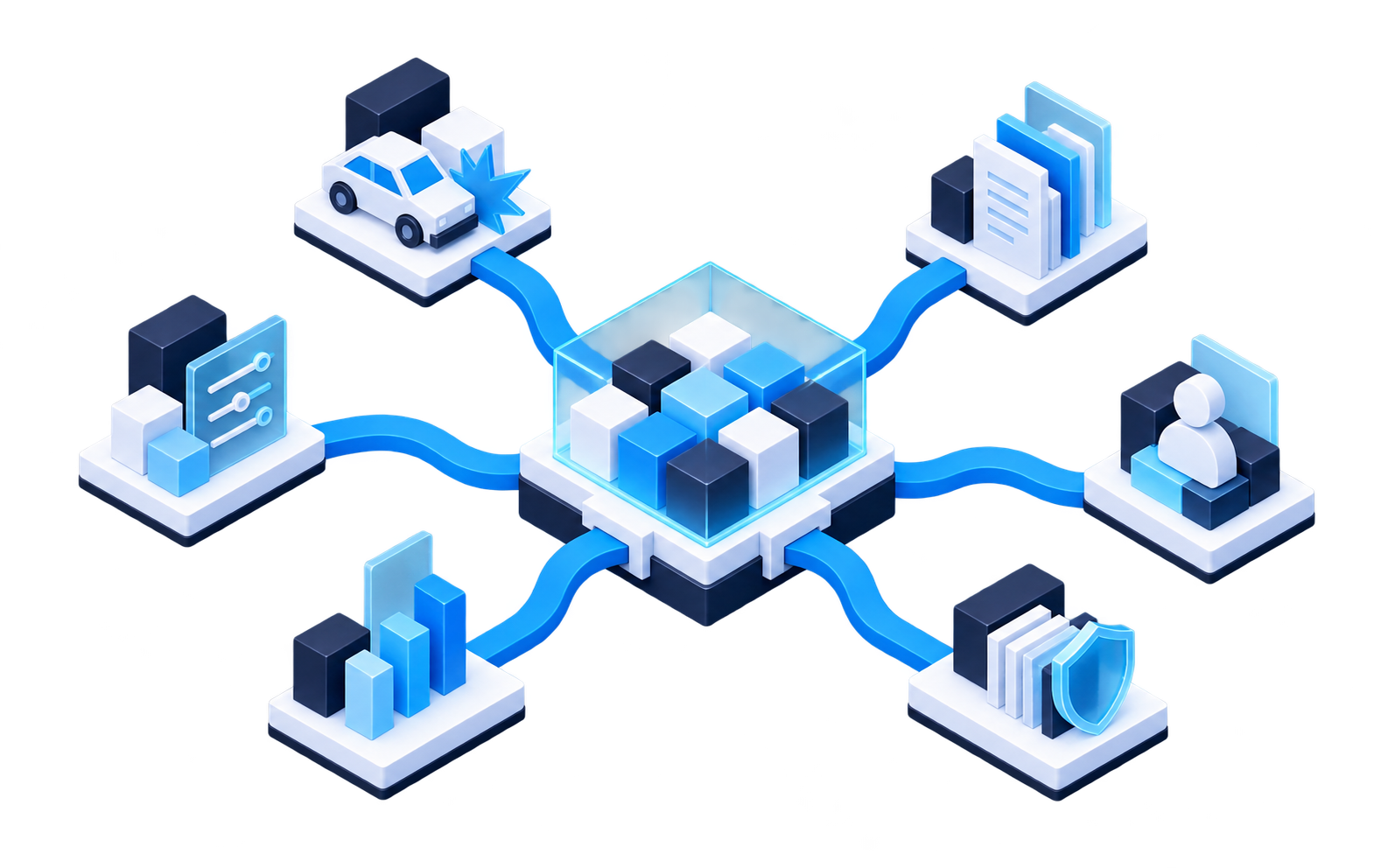
GrandView connects the business question to the systems and delivery work required to answer it. Our experience in insurance and other regulated environments helps us recognize where a process problem is really a data, integration, decision, or ownership problem.
Senior specialists stay involved from diagnosis through implementation.
Process, data, integration, analytics, and platform expertise stay connected.
Reusable patterns and proprietary tools expose dependencies before implementation.
Select a partnership to see how it supports modernization around established systems.
We connect IBM platforms, data, automation, analytics, and governance capabilities to a defined insurance workflow—not to a technology-first transformation program.
We relate hybrid-cloud and platform choices to lifecycle risk, integration needs, control requirements, and the systems insurance teams already depend on.
Testing, versioning, and change control give report owners a clearer basis for reviewing releases in Cognos environments that support financial and operational decisions.
Insurance work crosses teams, documents, models, and platforms. A transaction can begin in the core, leave it for evidence and review, and return only after a consequential decision is made.
Policy, claims, billing, member, actuarial, and financial systems hold years of product logic. Replacing them can create disruption and a multiyear wait for improvement.
Non-standard cases move through email, spreadsheets, shared drives, and manual follow-up when the main platform records the transaction but not every step around it.
Policy terms, claim notes, correspondence, assumptions, eligibility, provider records, and financial results may all live in different places.
Risk concentrates in changing severity, additional reviews, incomplete evidence, appeals, and approvals above an authority threshold.
Finance, actuarial, operations, risk, and technology may use different definitions or refresh cycles before they can agree which result is current.
AI can prepare a case for review, but only when data lineage, model behavior, approvals, and human overrides remain visible.
The underlying constraint may be shared. Its business impact depends on the insurance segment.
| Operating challenge | Property & CasualtyInitial specialization · complex claims | Life & AnnuityLong-duration obligations | Health InsurancePayer operations |
|---|---|---|---|
| Complex case work | Claims move between adjusters, supervisors, legal, SIU, medical reviewers, vendors, and authority owners. | Applications, underwriting referrals, policy changes, beneficiary requests, and servicing reviews cross business and actuarial teams. | Claims, authorizations, denials, and appeals cross payer, provider, clinical-review, and service teams. |
| Business measures | Severity, reserves, loss adjustment expense, leakage, and combined ratio. | Product margin, new-business value, capital, persistency, and long-duration assumptions. | Medical cost, utilization, administrative expense, payment accuracy, and service levels. |
| Decision data | Claim, policy, reserve, loss, document, and litigation context. | Product, policy, actuarial, finance, and distribution views across models and reporting cycles. | Member, provider, encounter, authorization, and payment data for operational and regulatory use. |
| Customer and partner experience | Policyholders, claimants, agents, repair networks, counsel, and other partners need coordinated status. | Policyholders, beneficiaries, agents, and distributors need clear progress across new business and servicing. | Members and providers need transparent requirements, denial reasons, and reliable status. |
| Modernization priority | Improve complex-claims coordination while keeping the claims platform authoritative. | Connect planning, new business, servicing, and policy information across established systems. | Improve payer workflows, interoperability, and traceability across a high-volume ecosystem. |
A workflow can cross several executive mandates. The operating improvement has to make sense to the people responsible for service, financial performance, architecture, data, and regulatory control.
Flow · ownership · exceptions
Measures · assumptions · scenarios
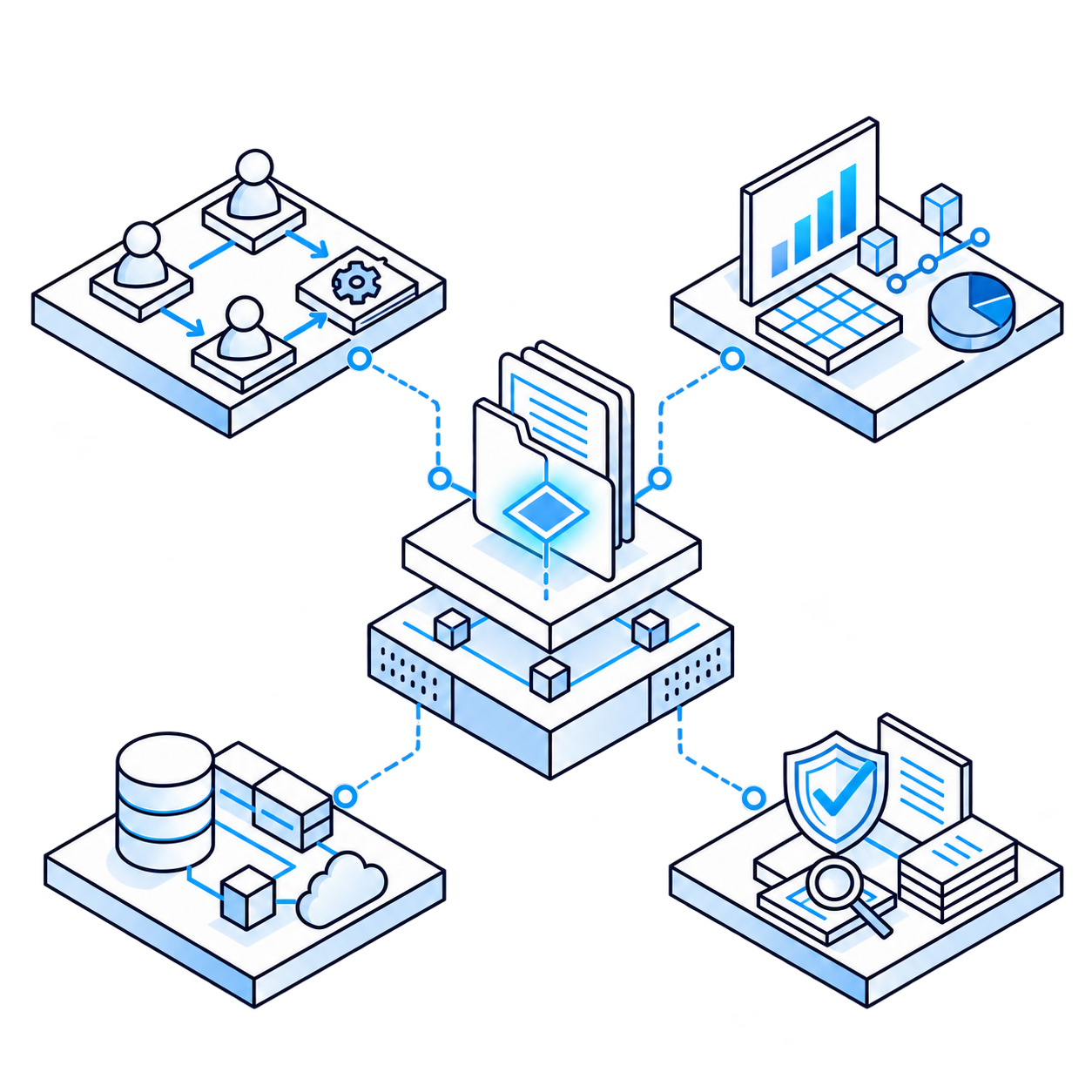
Architecture · integration · technical debt
Evidence · controls · traceability
We diagnose before we prescribe. The engagement begins with the business outcome and the way work happens today, not with a predetermined platform.
Choose one consequential process or decision and agree how improvement will be measured: case age, wait time, handoffs, rework, missing information, manual effort, errors, or time to a trusted view.
Reconstruct how representative cases actually move, including work outside the official application. Map roles, systems, documents, rules, exceptions, decision rights, and controls.
Select a bounded flow such as a claims referral, underwriting exception, authorization, appeal, planning model, or management report.
Test the workflow with real roles, data, and exception paths. Measure whether it reduced waiting, rework, manual preparation, or uncertainty without weakening control.
Use the result to decide what should expand, what should remain unchanged, and where the next investment will create value.
GrandView combines the capabilities required by the workflow instead of forcing the entire problem into one product category. The architecture depends on the insurer’s existing estate, process, and controls.
We help insurance teams understand model dependencies, strengthen planning workflows, and modernize IBM Planning Analytics environments without losing the logic the business relies on.
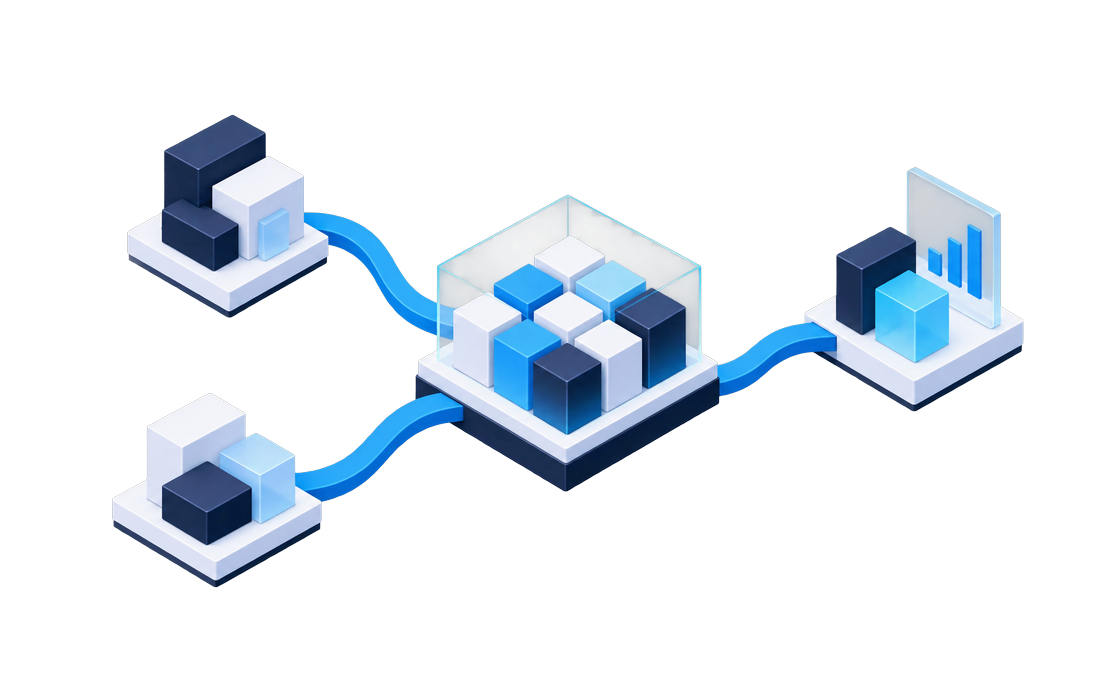
Relevant to complex P&C claims, underwriting referrals, policy service, health payer authorizations, and appeals.
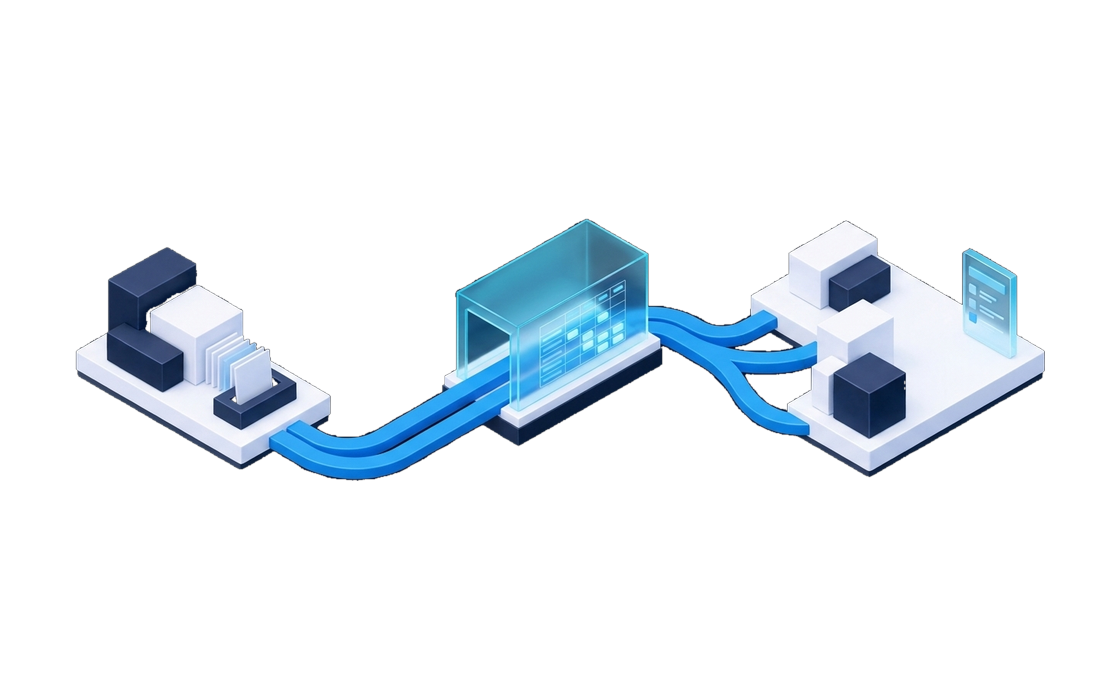
The objective is not to move every source into one database. It is to make the information required by the work available and trustworthy.
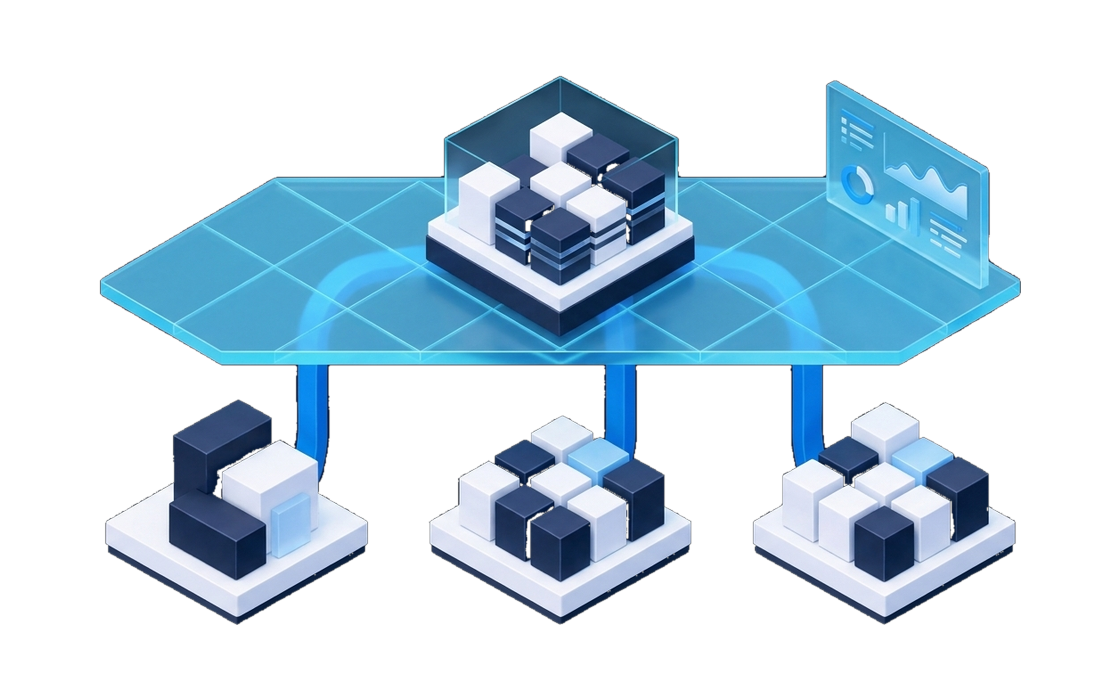
Governance becomes part of the operating flow, with clear ownership, controls, evidence, and escalation paths.
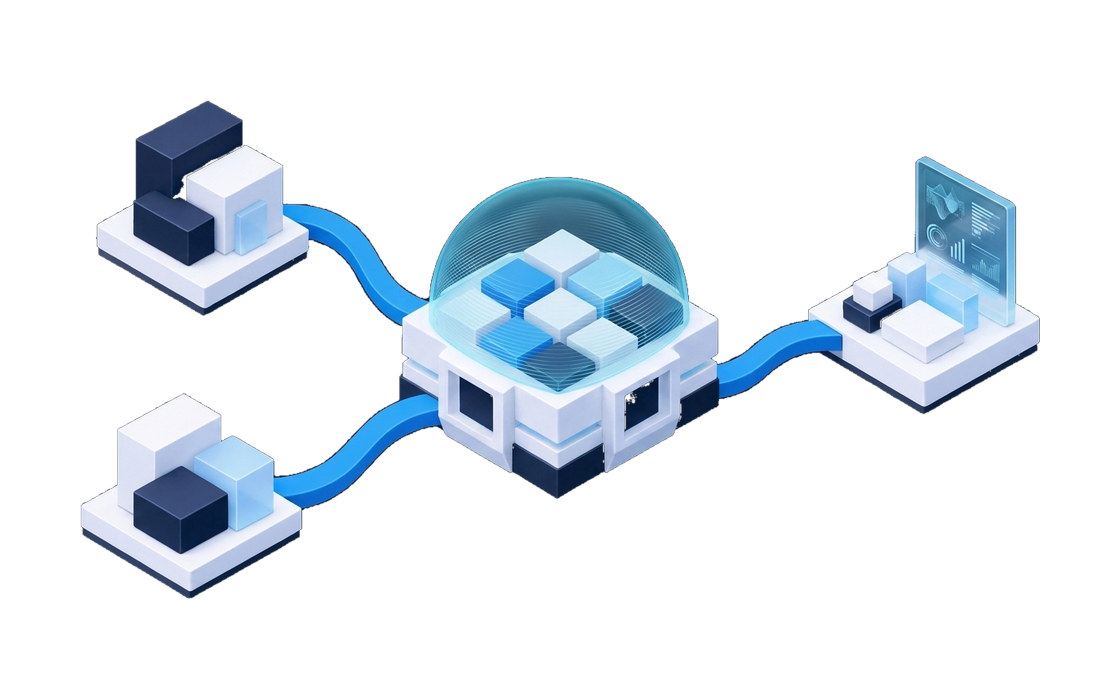
Extend the value of proven insurance systems while reducing the operational friction around them—without forcing a disruptive core replacement.
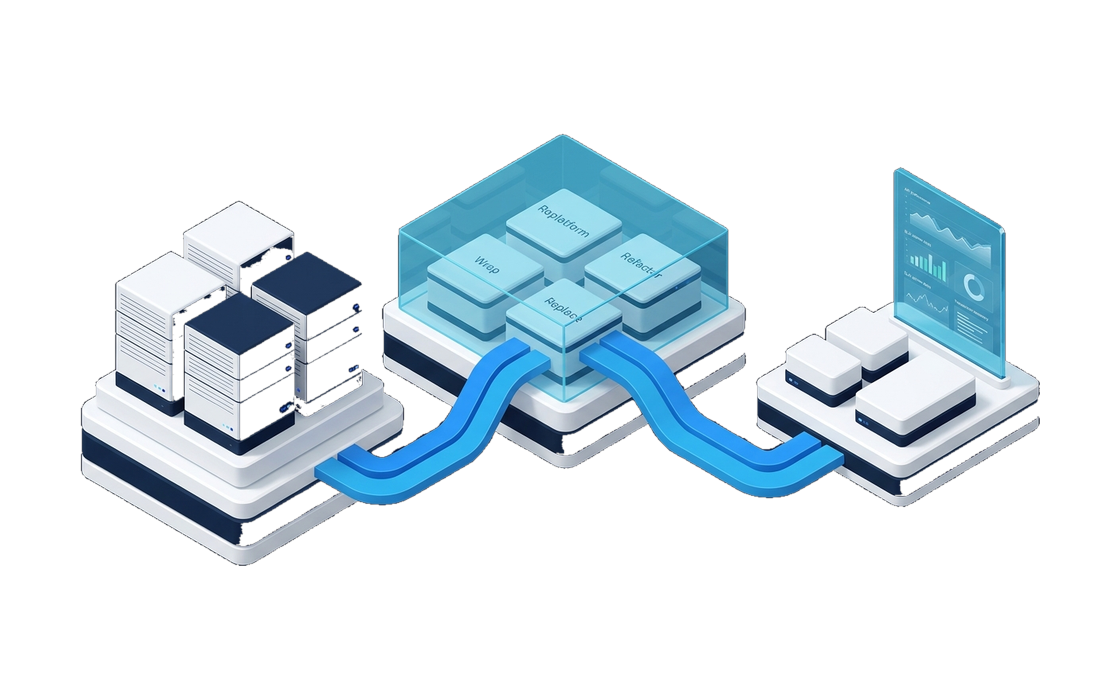
Bring us one process that keeps slowing down, one decision the organization does not trust, or one system constraint holding back improvement. We will help you determine whether the issue sits in the workflow, data, integration, model, platform, or operating ownership.
Schedule an Insurance Diagnostic
 IBM ecosystem expertise for insurance workflows, data, analytics, automation, and core modernization