

Process foundation
Start with the work that gets stuck
Pick the cases, documents and handoffs where delays cost the most.
A focused process and technology assessment for companies that want AI agents to take on real work across claims, finance and service operations. We find where agents can prepare cases and next steps, where people must decide and how to keep every agent visible and controlled.

Our work with IBM and Red Hat helps us look beyond the agent itself. We consider which systems it touches, who approves its output and how the process behaves when an unusual case arrives.
Pick the cases, documents and handoffs where delays cost the most.
Connect agents to the claims, ERP and CRM systems you already run.
Set access, approvals and limits before an agent touches live work.
The goal is a process that moves faster, with people still approving what matters and a record of what each agent did.
Discuss your process priorities →A claims backlog, a month-end full of manual checks or a growing list of AI pilots can raise the same question: where should agents help first? Start with the situation your teams recognize.
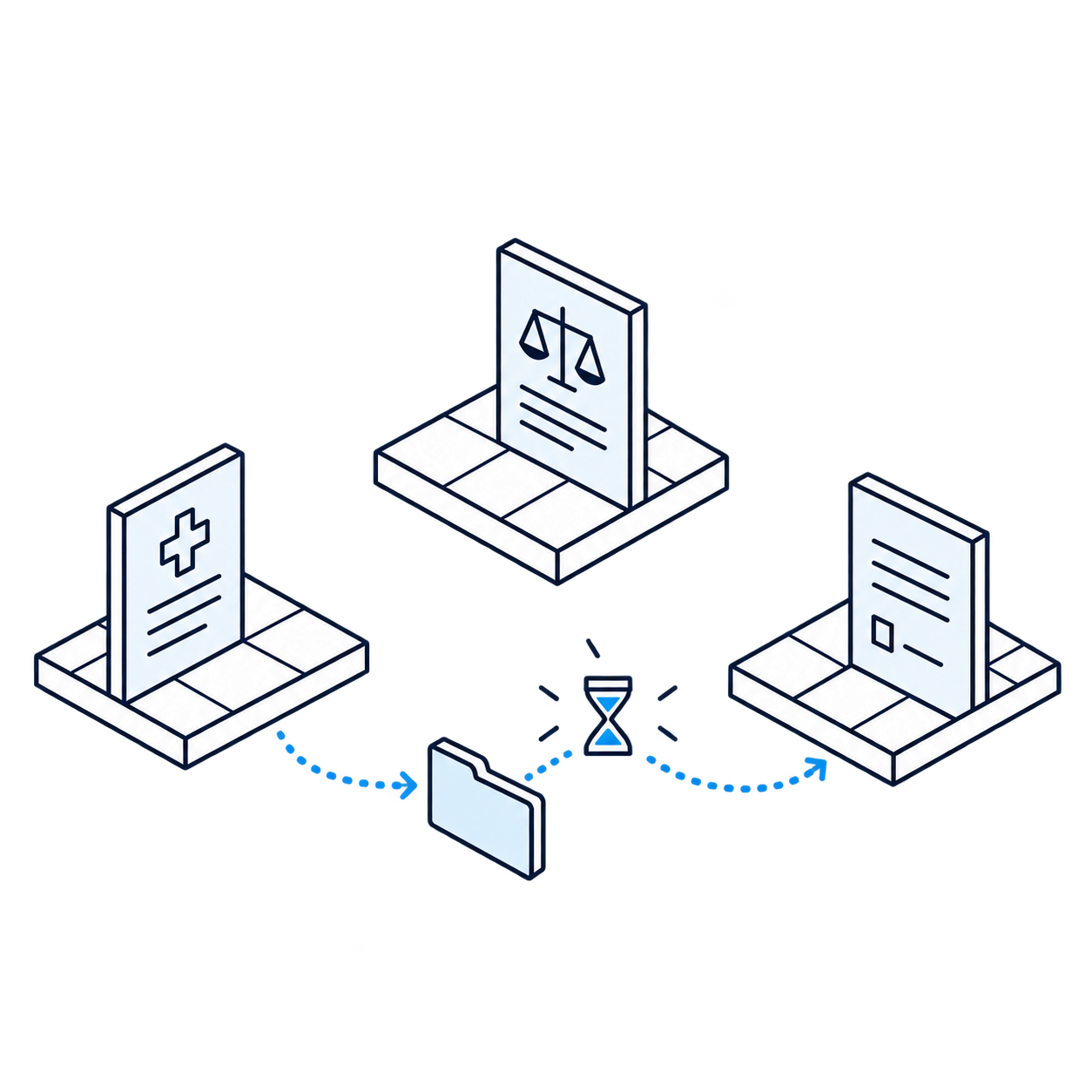
Medical reports, legal letters and adjuster notes arrive in different places. Each handoff to SIU, legal or a supervisor adds days before a decision.
Let agents prepare the file and route it, while adjusters keep the decisions.
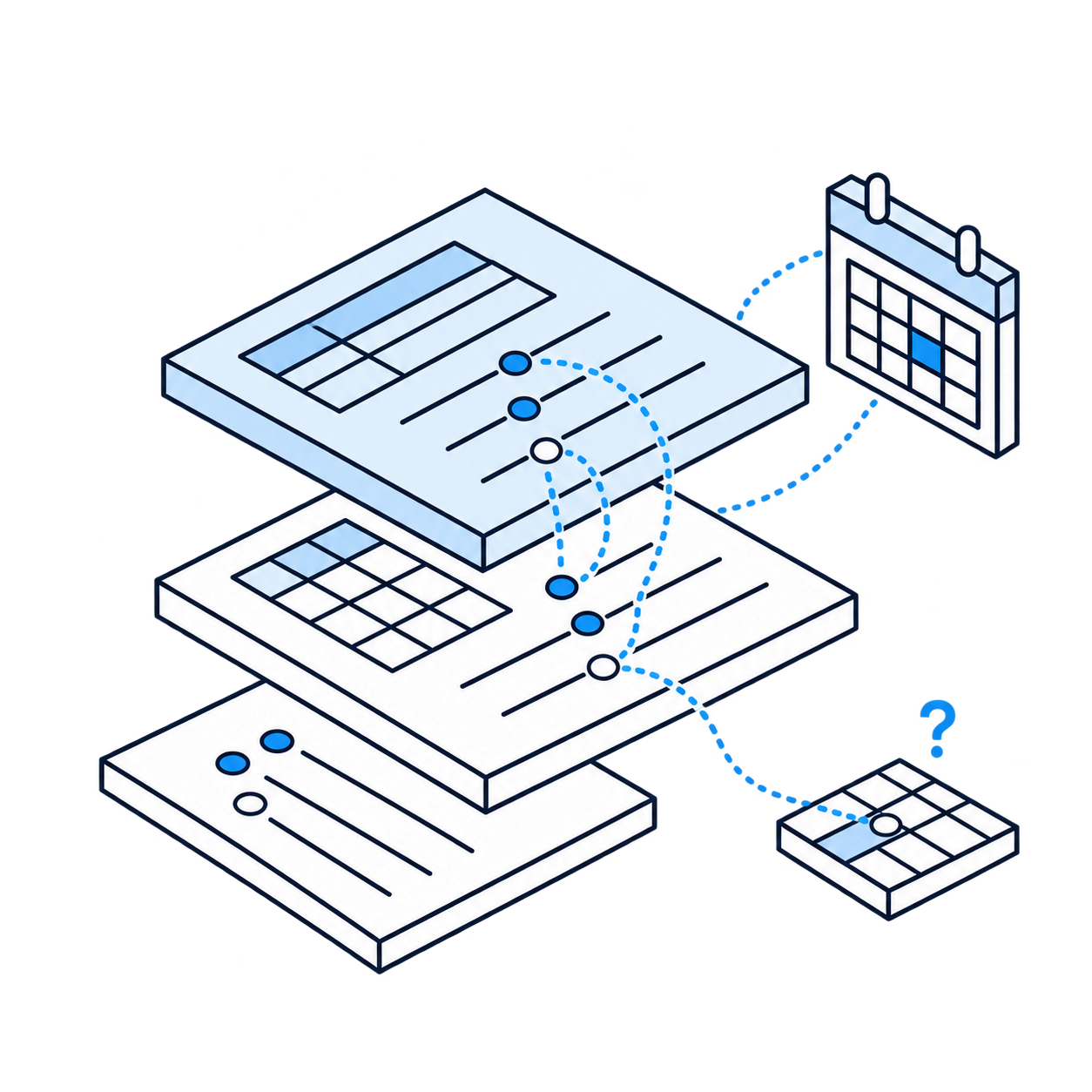
Invoices, supplier records and approvals are matched by hand across ERP, email and spreadsheets. Exceptions pile up just when finance needs time for analysis.
Have agents reconcile routine items and send only real exceptions to people.
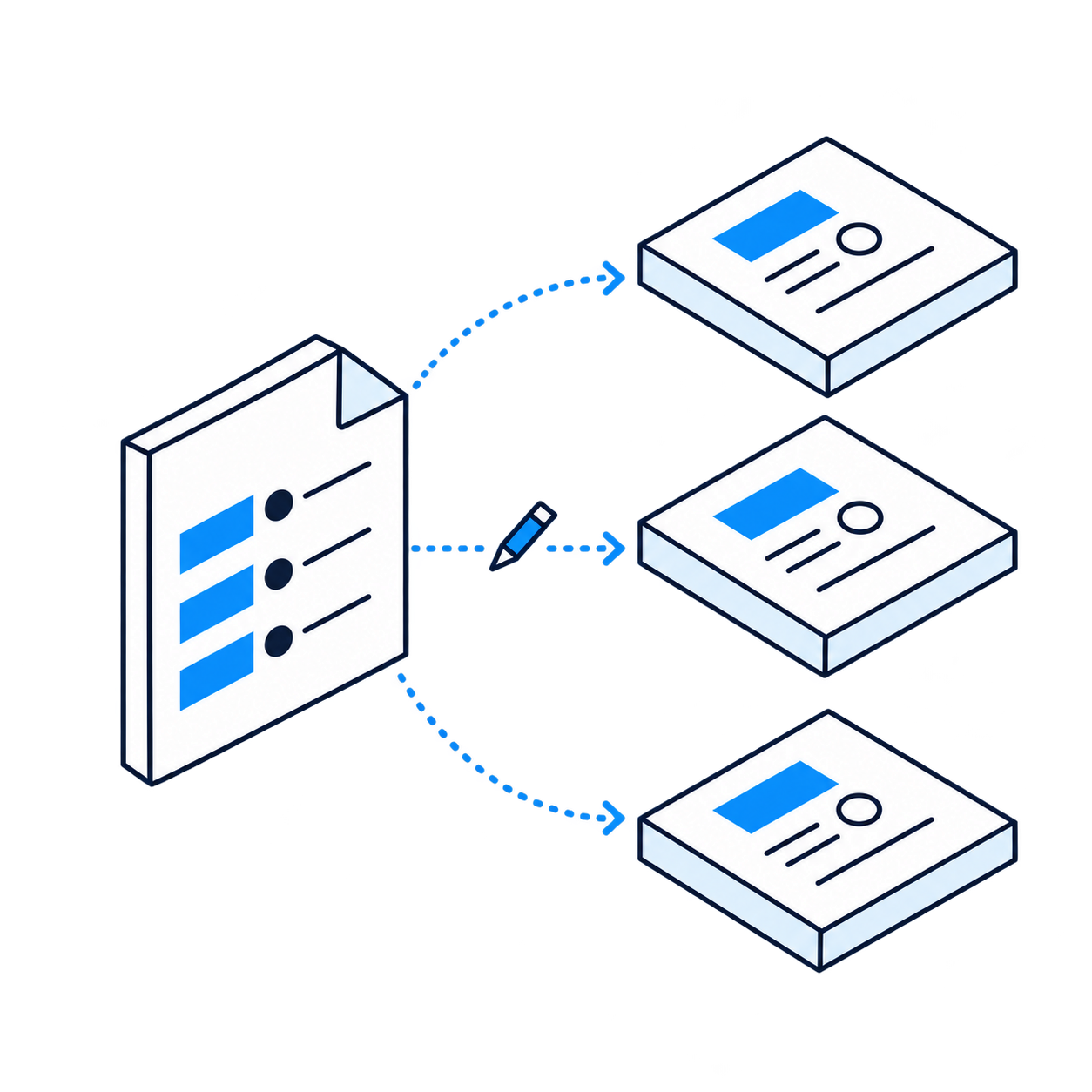
Forms and attachments come in by email or portal, and staff copy the same details into two or three systems before work can start.
Extract and check document data once, with a person reviewing what is unclear.
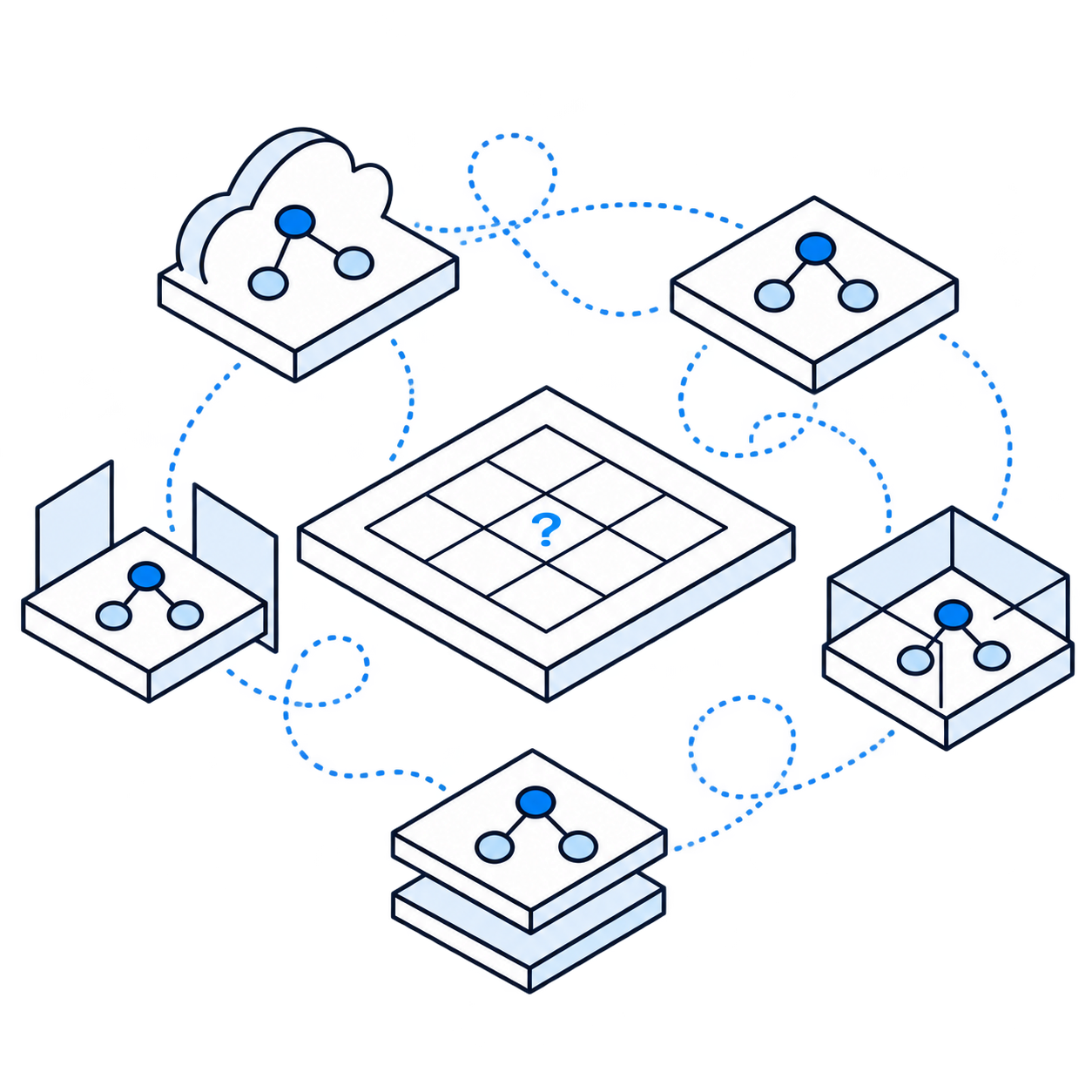
Teams build agents in different tools and clouds. Nobody can say how many exist, what data they reach or what they cost each month.
Bring agents into one view with shared access rules and cost tracking.
Because these situations often share systems and people, GrandView looks at the whole process before recommending where agents start.
Delays in business processes rarely stem from a single software limitation. They emerge across handoffs between teams, systems that do not share data, and uncoordinated AI experiments.
| Layer | Visible symptom | Hidden friction | What needs to change |
|---|---|---|---|
| 01 Process & people | Growing backlogs, slow approvals and repeated requests for status updates | Unclear ownership of handoffs, decisions made by email and no agreed escalation path | Defined handoffs, clear approval limits and escalations that trigger on time |
| 02 Systems & documents | Data retyped between systems and missing documents found late in the process | Core systems that do not share data and documents stored in several repositories | Connected systems, one document intake and checks before work starts |
| 03 Agents & control | AI pilots that never reach production and unknown agent costs and access | Agents built in separate tools without shared policies, owners or evaluation | One view of agents, shared access rules, evaluation and cost tracking |
A useful agent removes the waiting and retyping around a decision without taking the decision away from the people who own it. We keep the systems and rules that work, connect them and make every agent step visible.
Move complex claims forward without losing the adjuster's judgment
Reports, letters and notes arrive separately. Adjusters spend hours assembling the file and chasing colleagues before they can assess the claim.
An agent assembles the file, summarizes it and routes referrals to SIU, legal or medical review. Adjusters review and decide within their authority limits.
Close the month without matching every invoice by hand
Invoices, receipts and supplier data are checked by hand against purchase orders. Exceptions surface late and the close slips by days.
Agents match routine items and flag real exceptions with the evidence attached. Finance approves the exceptions and spends more of the close on analysis.
Start work from a complete, checked case
Requests arrive by email and portal with missing documents. Staff copy the same details into several systems before the work can begin.
An agent checks the documents, extracts the data and opens the case in the right system. People handle what is unclear or unusual.
See every agent, its access and its cost
Business units build agents in different tools and clouds. IT learns about them late and cannot apply one set of rules.
Agents built in watsonx Orchestrate and on platforms such as Amazon Bedrock appear in one view, with shared policies, access reviews and cost tracking.
The assessment shows which of these processes fits your systems best. Delivery follows an agreed scope and validation plan.
Explore the assessment ↓We design, build and run watsonx Orchestrate agents and agentic workflows, from document intake and case preparation to the integrations that connect agents with claims, ERP, CRM and content systems. We work with business and IT teams to choose the first process and carry it into daily use.
We link agents to your core systems, document repositories and business applications through existing integrations and APIs, without replacing the system of record.
Agents use current data, and your core system remains the system of record.
We build agents and agentic workflows that read documents, prepare cases, apply decision tables and route work to the right person.
Cut waiting and retyping while every consequential step keeps a named approver.
We set up access rules, policies, guardrails, evaluation and cost tracking for agents built in watsonx Orchestrate and on supported platforms.
See what each agent does, what it can reach and what it costs.
Whether you are building your first AI agent or bringing existing agents under control, we agree the starting point, work through the decisions with your team and guide delivery through to everyday use.
We walk through the process with the people who run it: where requests arrive, which documents they need, who approves and where work waits. This sets the baseline we use to measure the pilot.
Together, we define the agent tasks, the systems they connect to and the approval points that stay with people. We agree access rules, limits and the evidence each decision needs before anything is built.
GrandView builds the agents and workflows in watsonx Orchestrate. Your team tests them on familiar cases, so we can check results, refine handoffs and resolve issues before the agents touch live work.
We prepare users, support the first weeks in production and review agent performance and costs with you. Monitoring, documentation and ongoing support help your team extend agents to the next process as needs change.
Tell us where work slows down or which process you want agents to take on first. GrandView brings process, integration and AI expertise to help you work through the options.
Talk to our team
 IBM Gold Business Partner · automation expertise